When the lights go out, your peace of mind doesn't have to vanish with them. A reliable generator is your fortress against outages, but merely owning one isn't enough. True preparedness comes from pairing your generator with the right gear and ensuring flawless installation. This guide on Essential Generator Accessories & Installation for Safe Backup Power isn't just a checklist; it's your blueprint for unwavering home security and comfort, delivered with the insights of a seasoned expert. We'll explore how smart choices in accessories and meticulous installation make all the difference, transforming your generator from a simple machine into a powerful, seamlessly integrated guardian for your home.
At a Glance: Your Path to Seamless Backup Power
- Accessories are Key: Don't just buy a generator; invest in maintenance kits, covers, proper cords, and fuel management tools to extend its life and ensure safe operation.
- Safety First: Specialized cords, fuel caps, and spill boxes prevent hazards like fires, electrocution, and environmental damage.
- Winter Warriors: Cold weather kits are crucial for reliable starts in freezing temperatures, protecting your investment.
- Smart Power Management: Parallel kits and load shedding modules optimize smaller generators or manage complex home loads efficiently.
- Pro Installation for Standby: Whole-home standby generators demand licensed professionals due to high-voltage wiring, fuel lines, and complex integration with your home's electrical panel.
- DIY for Portable (with caveats): Portable generators can often be self-installed if plugging directly into appliances or a pre-installed manual transfer switch inlet.
- Permits & Codes: Professional installations include securing permits and adhering to National Electrical Code (NEC) and local building requirements.
- Clearances Matter: Proper generator placement ensures ventilation and safety, keeping units away from windows, doors, and combustible materials.
- Budgeting for Backup: Expect significant investment for standby systems, ranging from $8,500 to over $25,000, including equipment and professional installation.
Beyond the Box: Why Essential Generator Accessories Aren't Optional
Think of your generator as a high-performance vehicle. You wouldn't buy a car and skip oil changes, reliable tires, or a good alarm system, would you? The same logic applies to your backup power. Essential generator accessories aren't just add-ons; they're critical components that ensure your generator starts when you need it most, runs efficiently, operates safely, and lasts for years. Skimping here isn't saving money; it's inviting trouble down the line.
Let's break down the must-have gear that completes your generator setup.
The Lifeline: Accessories for Performance, Safety, and Longevity
These items are fundamental to keeping your generator in top shape and operating without a hitch, whether you've got a portable unit or a robust whole-home system.
Keeping It Running Smoothly: Maintenance Kits, Filters, and Spark Plugs
Just like any engine, your generator needs regular TLC. A proactive approach to maintenance prevents costly breakdowns and ensures readiness.
- Maintenance Kit: This is your generator's first-aid kit. Typically tailored for specific generator sizes—say, for 13kW-17kW and 22kW models—these kits contain everything you need for routine service: oil, oil filters, air filters, and spark plugs. Following a service schedule with these items promotes optimal efficiency and significantly extends your generator's lifespan.
- Oil Filter: A clean oil filter is crucial for a healthy engine. It traps contaminants, preventing them from circulating and causing premature wear. Regular changing, as specified by your generator's manufacturer, is non-negotiable for optimal performance.
- Spark Plug: For natural gas generators, the spark plug is the heart of ignition. A worn or fouled spark plug can lead to difficult starts or poor engine performance. Plan on changing it every 200 hours of operation or once per season, whichever comes first, to ensure reliable ignition.
- Air Filter: The air filter protects your engine from dust and debris, ensuring a clean air supply for combustion. A clogged filter chokes your engine, reducing efficiency and potentially causing damage. Regular replacement is a simple way to maintain optimal performance and extend your generator's life.
Power Delivery Done Right: Generator Cords and RV Adapters
Connecting your generator to your home or appliances requires specialized cables designed for high power and safety.
- Generator Cord: This isn't just any extension cord. A dedicated generator cord is built to safely transmit high amperage, preventing fire hazards and electrocutions. Look for heavy-duty options like 10-gauge and up to 50-amp cables for robust home applications, ensuring power flows efficiently and without dangerous resistance.
- RV Outlet Adapter: If you're a proud RV owner, an RV outlet adapter is a game-changer. It provides the flexibility to connect your rig to various power sources, enabling seamless 30-amp to 50-amp connections or even hooking up to standard home outlets. Brands like SnowyFox offer durable 18-inch adapters, but always double-check you have the correct type for your 50-amp RV to prevent damage.
Protecting Your Investment: Generator Covers and Base Wraps
Elements and unauthorized access can shorten your generator's life or compromise its security.
- Generator Cover: Rain, UV rays, dirt, and even bird droppings are no friends to your generator. A durable cover protects against these environmental assaults, enhancing the unit's durability and lifespan. Beyond protection, a cover can also deter curious eyes, adding a layer of security by preventing unauthorized access.
- Base Wrap: Often overlooked, a base wrap enhances both functionality and protection for standby units. Products like the QwikPad® base wrap, complete with steel mounting hardware, shield the generator's base from splashing water and debris, adding a clean, finished look while providing extra protection from the elements.
The Heart of Integration: The Transfer Switch
This is perhaps the single most critical accessory for safety when connecting a generator to your home's electrical system.
- Transfer Switch: Whether manual or automatic, a transfer switch is essential for safely disconnecting your home from the utility grid before connecting it to your generator. This prevents dangerous "backfeeding" of power onto utility lines, which can electrocute utility workers. It also allows specific home circuits to remain operational during outages, streamlining your power management.
Fueling Reliability: Batteries, Fuel Lines, and Caps
Ensuring your generator has a secure and efficient fuel supply is paramount for both safety and readiness.
- Battery: A reliable, fully charged battery is the unsung hero of easy generator startups, especially for standby models. Just like your car, a weak battery means no start. Companies like Batteries Plus offer specific, high-quality options tailored for portable and standby generators, ensuring smooth operation when you need it most.
- Fuel Line: Made with durable materials like stainless steel, a high-quality fuel line ensures efficient and safe fuel reception, preventing leaks that could be hazardous. Generac, for instance, offers fireproof options specifically designed for their 15kW and 20kW generators, adding an extra layer of safety.
- Fuel Cap: A locking fuel cap does more than just keep the rain out. It protects your fuel supply from tampering or siphoning, ensuring your generator's fuel system is securely locked and available when an outage hits.
Winter Readiness: The Cold Weather Kit
For those in colder climates, a cold weather kit isn't optional; it's a necessity.
- Cold Weather Kit: Freezing temperatures can make starting your generator a challenge. These kits include vital components like an engine block heater and a battery warmer, ensuring reliable operation even when the mercury plummets. Examples like the Generac Cold Weather A/C HSB Kit and those from Midwest Electric & Generator are designed to keep your unit firing up consistently in harsh conditions.
Smart Solutions: Accessories for Convenience and Advanced Management
Beyond the essentials, these accessories elevate your generator experience, offering greater flexibility, efficiency, and peace of mind.
Scaling and Optimizing Power: Parallel Kits and Load Shedding
Get more out of your existing setup or intelligently manage your power usage.
- Parallel Kit: Need more power than a single portable inverter generator can provide, but don't want to invest in a much larger, heavier unit? A parallel kit is your answer. It links smaller inverter generators, enabling them to work in series or parallel to meet higher power demands without needing additional tools. Quick-connect interfaces make it a simple, effective solution for scalable power.
- Power Management Module Starter Kit / Load Shedding Module: For more sophisticated whole-home systems, these modules are brilliant. They allow you to prioritize essential circuits during an outage. A Power Management Module (like those for Generac's Digital Power Management System, compatible with RTSR and RTSY transfer switches) includes components such as a 24VAC transformer and a 50 amp, 24VAC actuated PMM. It monitors circuits and manages power distribution, preventing overloads. Similarly, a load shedding module automatically cuts electricity to non-essential areas when the load exceeds output, preventing overloads and potentially allowing you to size down your initial generator purchase, saving money.
On-the-Go and Remote Control: Wheel Kits, Transport Carts, and Power Monitors
Convenience, mobility, and real-time insights make managing your generator far easier.
- Wheel Kit: Essential for portable generators, a robust wheel kit allows for easy transportation from storage to its operational spot. Look for kits designed for your specific generator, like Champion kits for 2800-4750W models or EZV kits for Energizer EZV2200/EZV2800 inverter generators.
- Transport Cart: For heavier portable units or even to assist with the initial placement of smaller standby models, a transport cart ensures safe and easy maneuvering, saving your back and preventing damage.
- Power Monitor: Modern technology brings generator management to your fingertips. A power monitor, often integrated with mobile apps like PowerTechCS, tracks critical performance metrics such as fuel level, runtime, and maintenance reminders. Remote monitoring offers incredible peace of mind, allowing you to check on your generator's status from anywhere.
Specialized and Environmental Protection: Conversion Kits and Spill Boxes
Tailor your generator to specific fuel needs or ensure environmental responsibility.
- Conversion Kit: Flexibility is power. A conversion kit allows you to switch between different fuel options, typically natural gas and propane. This offers a convenient and often cost-effective solution, especially if one fuel type is more readily available or cheaper in your area. Some kits even enable 240-volt output.
- Spill Box: For generators with external fuel connections or batteries, a durable, lockable steel spill box prevents fuel leakage and contains any accidental spills. This minimizes environmental impact and can even help maintain an ideal battery temperature for reliable startup.
The Critical Step: Navigating Generator Installation for Safety & Code Compliance
So you've chosen your generator and gathered your essential accessories. Now comes the moment of truth: installation. This isn't a step to take lightly. Proper generator installation is paramount not just for long-term reliability but, more importantly, for safety, protecting your household from electrical hazards, carbon monoxide poisoning, and premature wear on your equipment. Ignoring installation best practices can void warranties, lead to dangerous situations, and incur hefty fines for code violations. Professional installers adhere strictly to the National Electrical Code (NEC) and local building requirements, ensuring peace of mind.
DIY vs. Professional Installation: Knowing Your Limits
The first decision you'll face is whether to tackle the installation yourself or call in the experts. The answer largely depends on the type of generator you own.
Portable Generators: When DIY is an Option
For many homeowners, installing a portable generator can be a DIY project, provided you stick to specific guidelines.
- Direct Plug-in: If you're simply plugging appliances directly into the generator's outlets with appropriate cords, this is generally safe and straightforward.
- Pre-installed Inlet with Manual Transfer Switch: If you have an existing external generator inlet box wired to a manual transfer switch inside your home, connecting your portable generator to this inlet is typically a homeowner-friendly task. This setup safely isolates your home from the utility grid.
However, remember: Portable generators always require outdoor operation with adequate ventilation to prevent carbon monoxide buildup. Never run one indoors or in an attached garage.
Whole-Home Standby Generators: Always Call a Pro
This is where the DIY ends and the professional expertise begins. Whole-home standby generators are complex, integrated systems that require licensed professionals for installation.
- High-Voltage Wiring: Standby generators tie directly into your home's main electrical panel, handling high-voltage wiring that is extremely dangerous for untrained individuals.
- Fuel System Integration: Connecting to a permanent fuel source—whether natural gas lines or large propane tanks—involves specialized plumbing and gas line expertise. Incorrect connections can lead to gas leaks, fires, or explosions.
- Permits & Inspections: Local building codes almost always mandate permits for standby generator installations. These often include electrical, fuel, and zoning permits. Post-installation inspections by local authorities are required to verify compliance and ensure safety. Without these, your insurance may not cover damages in case of an incident.
- Manufacturer Warranties: Many generator manufacturers stipulate that installation by a certified professional is a condition for the warranty to remain valid. Attempting a DIY installation could void your protection.
- Expert Knowledge: Professionals understand load calculations, proper sizing, transfer switch integration, and all the nuances of safely integrating a powerful appliance into your home's infrastructure.
For peace of mind and strict adherence to safety standards, leave standby generator installation to the pros. If you're looking to explore different generator options, you might explore Tractor Supply generators to get a sense of models available.
The Standby Generator Installation Journey: What to Expect
When you hire a professional to install your whole-home standby generator, here's a typical breakdown of the process:
- Site Assessment & Permitting: This is the critical first step. An experienced installer will evaluate your home's electrical capacity, assess the available fuel source, and determine the optimal location for the generator. They'll consider factors like noise, access for maintenance, and necessary clearances. Concurrently, they'll handle securing all necessary permits, which can include electrical, fuel, zoning, and even HOA approvals.
- Generator Placement & Foundation: Once permits are approved, the generator is delivered and carefully placed. It must sit on a stable, level concrete pad or a compacted gravel base, ensuring proper ventilation. Strict minimum clearances are observed: typically 5 feet from doors, windows, and vents, and at least 18 inches from walls or other combustible materials. The ground beneath and around the unit is leveled with proper drainage to prevent water accumulation.
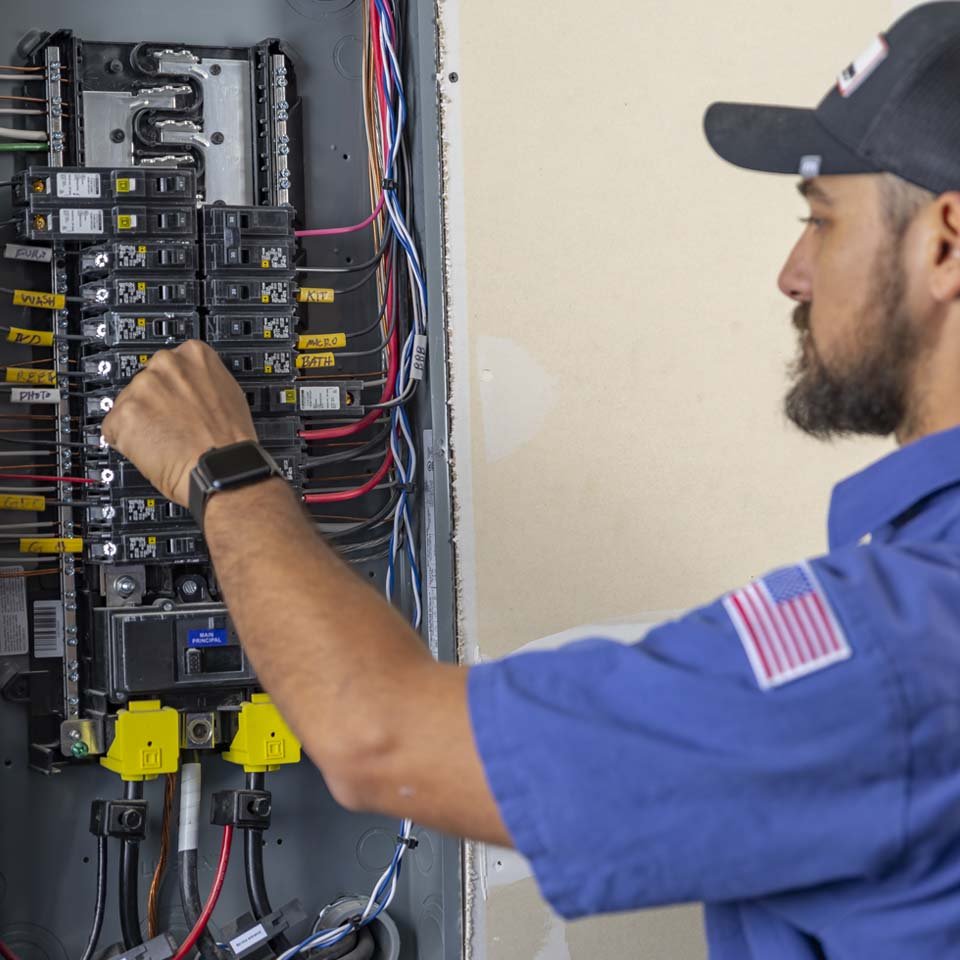
- Electrical & Transfer Switch Integration: This is the core of the electrical work. A manual or automatic transfer switch is installed—usually near your main electrical panel. Wiring then runs from the generator to this transfer switch, and from the transfer switch into your main electrical panel. Circuits are meticulously connected based on what you want covered during an outage, ensuring a seamless and safe switch between utility and generator power.
- Fuel System Connection: The generator needs its lifeline. A dedicated fuel line is run from your natural gas utility connection or a pre-installed propane tank (complete with shut-off valves and regulators). For diesel units, a secure, filtered tank is installed, often with provisions for cold-climate fuel treatments to prevent gelling. All connections are rigorously tested for leaks.
- Testing & Inspection: With all physical connections made, the generator is started for the first time. It's then tested under a simulated load to ensure all systems function correctly, and safety devices are checked. Finally, a local inspector verifies that the entire installation complies with all applicable codes and regulations before providing final approval. This comprehensive testing ensures your system is ready for its moment of truth.
Understanding Installation Costs: What to Budget For
The cost of a whole-home standby generator system isn't just the price of the unit itself. Installation is a significant portion of the investment. Most whole-home standby systems, including the generator, transfer switch, and professional installation, typically range from $8,500 to $23,000. Complex setups, which might involve extensive trenching for fuel lines, challenging electrical runs, or larger, more powerful units, can easily exceed $25,000.
When obtaining bids, it's crucial to ask specific questions:
- Does the quote include all permits and inspections?
- Are all materials (e.g., concrete pad, specific gauge wiring, gas lines) itemized?
- What are the labor costs?
- Are there any potential hidden fees or additional charges that might arise?
- Does the installer offer post-installation maintenance plans?
Comparing comprehensive quotes will help you avoid unexpected costs and ensure you're getting a complete, reliable installation.
Common Installation Pitfalls to Avoid
Even with professional help, being aware of potential issues can save you headaches:
- Ignoring Clearances: Failing to maintain proper distances from structures, windows, and vents can lead to carbon monoxide intrusion, fire hazards, or overheating.
- Inadequate Foundation: An uneven or unstable base can cause vibrations, stress on components, and premature wear.
- Undersized Fuel Line: An improperly sized gas line might not deliver enough fuel, causing the generator to "starve" under load.
- Neglecting Permits: Skipping permits can lead to stop-work orders, fines, or issues with home insurance claims later on.
- Poor Drainage: Water pooling around the unit can cause rust, electrical damage, and reduce its lifespan.
Empowering Your Backup Power Plan
Investing in a generator is a significant step towards home resilience. But true peace of mind comes from understanding that your investment is fully optimized, safely installed, and ready to perform flawlessly when the power grid falters. By prioritizing essential generator accessories and committing to professional installation for standby systems, you're not just buying a machine; you're securing a reliable, safe, and long-lasting source of backup power for your home and family. Don't wait for the next outage—prepare now, and be confident that your home is truly ready for anything.