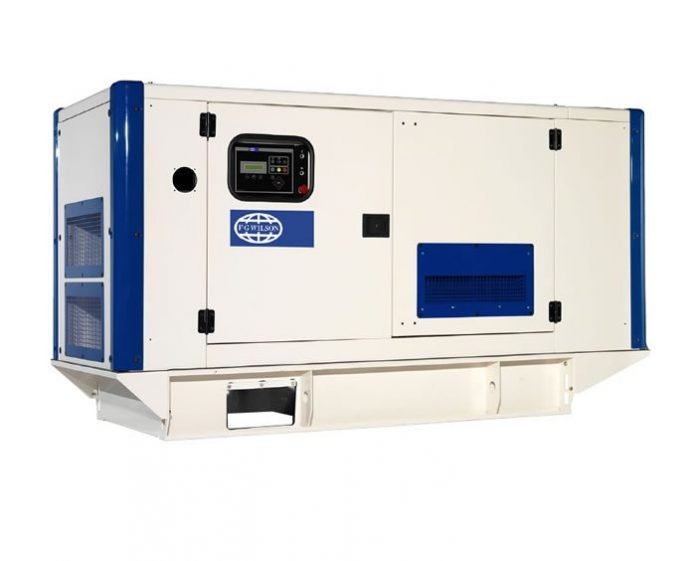
When the lights go out, your generator stands as a beacon of reliability. But what happens when that beacon flickers, sputters, or refuses to ignite at all? Facing common generator problems can be frustrating, especially when you need power most. Fortunately, many issues aren't catastrophic and can be resolved with a bit of know-how and a methodical approach.
This guide is your expert companion, designed to help you diagnose and tackle the most frequent generator hiccups, ensuring your power stays on, smoothly and safely.
At a Glance: Key Takeaways for Generator Troubleshooting
- Safety First: Always prioritize safety by disconnecting power and letting the engine cool before any work.
- Start with the Basics: Many problems stem from fundamental issues like fuel, oil, air, or spark.
- Listen and Observe: Unusual noises, smoke, or leaks are clear indicators of trouble.
- Don't Overload: Operating your generator beyond its capacity is a common cause of power loss and damage.
- Know When to Call a Pro: Some internal engine problems or complex electrical issues are best left to qualified technicians.
- Routine Maintenance Prevents Pain: Regular checks and servicing are your best defense against unexpected failures.
Safety First: Your Non-Negotiable Starting Point
Before you lift a wrench or even open the fuel cap, remember this cardinal rule: safety above all else. Generators involve electricity, flammable fuels, and moving parts—a potent combination if not handled with respect.
- Disconnect Power: Always remove the spark plug wire to prevent accidental starting. For electric start models, you may also need to disconnect the battery.
- Cool Down: Let the engine cool completely before performing any checks or repairs. Hot components can cause severe burns.
- Read Your Manual: Your generator's operator’s manual is its specific bible. It contains crucial safety warnings, detailed diagrams, and model-specific troubleshooting steps. Always refer to it.
- Ventilation: Never operate a generator indoors or in enclosed spaces. Carbon monoxide is odorless, colorless, and deadly.
Minor issues, like a clogged fuel filter or a dead battery, are often manageable in-house. However, anything involving complex internal engine repairs, extensive electrical wiring, or components you're not comfortable with should prompt a call to a qualified service professional.
Troubleshooting Common Generator Problems: A Step-by-Step Guide
Let's dive into the most frequent generator complaints and how to address them.
1. The Silent Treatment: Generator Won't Start or Fails to Start
This is perhaps the most frustrating issue: you pull the cord, hit the button, and… nothing. A generator failing to start usually points to a lack of one of the critical three elements: air, fuel, or spark, or a power issue for electric starts.
Common Causes:
- Insufficient Air, Fuel, or Spark: The fundamental recipe for combustion is missing a key ingredient.
- Dead or Weak Battery: A common culprit for electric start models.
- Faulty Starter Motor: If the battery is good but the engine doesn't crank.
- Clogged Fuel Filters: Restricting fuel flow.
- Low Engine Oil: Many modern generators have a low-oil sensor that prevents starting to protect the engine.
Your Troubleshooting Steps:
- Check the Fuel:
- Is there enough? It sounds basic, but it's often the answer.
- Is it fresh? Stale gasoline (older than 30-60 days without stabilizer) can gum up the carburetor.
- Is the fuel valve open? Make sure it's in the "on" position.
- Check the Fuel Filter: If fuel is present but not flowing, a clogged filter is likely. Replace it if it looks dirty or restrictively old.
- Inspect the Engine Oil:
- Level: Check the dipstick. If it's low, fill to the recommended level.
- Type: Ensure you're using the correct oil viscosity for your generator and climate.
- Examine the Air Filter:
- Cleanliness: A dirty or clogged air filter restricts airflow, essentially suffocating the engine. Clean or replace it.
- Test the Spark Plug:
- Remove and Inspect: Carefully remove the spark plug (after disconnecting the wire!). Look for fouling (carbon buildup), electrode damage, or a wet appearance.
- Clean or Replace: If it's dirty, clean it with a wire brush. If damaged, replace it with the correct type.
- Test for Spark: Reattach the spark plug wire to the plug. Hold the threaded part of the plug against a metal part of the engine (not painted) and have someone briefly attempt to start the generator (just a quick pull or press). You should see a strong, blue spark. If not, the plug, ignition coil, or related wiring might be faulty.
- Address Battery & Starter (Electric Start Models):
- Battery Charge: Is the battery fully charged? Use a multimeter to check voltage. A weak battery won't provide enough juice to crank the engine. Recharge or replace as needed.
- Terminals: Ensure battery terminals are clean and securely connected.
- Starter Solenoid/Motor: If the battery is strong but you hear only a click, the starter solenoid might be failing. If nothing happens, the starter motor itself or its wiring could be the issue. These often require professional attention.
2. The False Start: Generator Starts and Then Dies
It sputters to life, gives you a moment of hope, and then silently gives up. This scenario is often a protective measure or a sign of an immediate resource depletion.
Common Causes:
- Low Engine Oil Level: The most frequent culprit. The low-oil sensor detects insufficient lubrication and shuts down the engine to prevent catastrophic damage.
- Fuel and Airflow Restrictions: The generator might have enough fuel/air to start but not enough to sustain operation under its initial demands.
Your Troubleshooting Steps:
- Check Engine Oil Immediately: This is your first priority. If the oil is below the recommended level, fill it up. This will often resolve the issue.
- Re-check Fuel Supply and Filters: Just as with starting issues, ensure the fuel tank isn't almost empty and that the fuel filter isn't quickly becoming clogged once fuel starts flowing.
- Inspect Air Filter: A severely restricted air filter could cause a similar effect, allowing a brief start but not sustained running.
3. The Drip, Drip, Drip: Generator is Leaking Gas
A gas leak is not just an annoyance; it's a significant fire hazard. Never ignore it.
Common Causes:
- Carburetor Issues: A failed bowl gasket, a stuck float, or other internal carburetor parts can cause fuel to overflow or seep out.
- Fuel Line Leaks: Cracks, wear, or loose connections in the fuel lines.
- Fuel Tank Damage: Punctures, corrosion, or a faulty fuel cap seal.
- Fuel Shut-Off Valve: A worn or damaged valve might not fully close.
Your Troubleshooting Steps:
- Locate the Leak: Carefully visually inspect all potential points:
- Carburetor: Look for wetness around the bowl, drain screw, or overflow tube.
- Fuel Lines: Trace the lines from the tank to the carburetor, checking for cracks, worn spots, or loose clamps.
- Fuel Filter: Ensure it's tightly connected and not cracked.
- Fuel Shut-Off Valve: Check for drips around the valve body.
- Fuel Tank: Inspect for rust, cracks, or damage, especially at seams.
- Repair the Leaks:
- Carburetor: If it's a gasket, you might be able to replace it. For internal issues, cleaning or rebuilding the carburetor might be necessary, or even replacing it.
- Fuel Lines/Filter/Valve: These are often simpler to replace. Ensure you use fuel-rated components and proper clamps.
- Fuel Tank: Small pinholes might be patchable with specialized fuel tank repair kits, but significant damage usually warrants tank replacement.
- Consider a Professional: Carburetor issues can be finicky. If you're unsure, a professional can diagnose and repair it.
4. Losing Steam: Generator Bogs Down or Loses Power Under Load
Your generator seems fine until you plug something in, then it struggles or shuts down. This usually indicates an inability to meet the demand.
Common Causes:
- Air or Fuel Restriction: While not preventing a start, a partial restriction can limit power output when under demand.
- Overloading the Generator: Trying to draw more power than the generator is designed to provide. This is a very common issue.
- Incorrect Load Distribution: For larger generators, an unbalanced load across different phases can cause issues.
Your Troubleshooting Steps:
- Reduce the Load: This is the quickest and most common fix.
- Calculate Your Needs: Add up the running watts of all devices you intend to power simultaneously. Then, factor in the starting watts (the momentary surge needed for motor-driven appliances like refrigerators or air conditioners). Ensure this total is well within your generator’s rated running and surge capacity.
- Unplug Non-Essentials: Disconnect all but the most critical items and see if the generator stabilizes. Then, gradually add appliances back, monitoring the generator's performance. You can Explore Tractor Supply generators to compare models and ensure you have the right size for your needs.
- Check Air and Fuel Systems Again: Revisit the air filter, fuel filter, and fuel lines. A partial clog might only become apparent under load.
- Balance the Load (for larger/multi-phase generators): If your generator has multiple outlets or phases, ensure you're not drawing all the power from a single circuit or phase. Refer to your manual for load balancing guidelines.
- Consider Altitude: Operating a generator at high altitudes can reduce its power output. This is usually specified in the manual.
5. Uneven Flow: Low or Unstable Voltage Output
You plug in your electronics, and they either don't work correctly or flicker, indicating inconsistent power. This can damage sensitive appliances.
Common Causes:
- Faulty Automatic Voltage Regulator (AVR): The AVR is responsible for maintaining a steady voltage output. If it fails, voltage can fluctuate wildly.
- Loose or Damaged Electrical Connections: Any compromised wiring within the generator's alternator or output system can disrupt voltage.
- Dirty Alternator Windings: Dust, debris, or corrosion on the alternator's internal windings can interfere with proper voltage generation.
Your Troubleshooting Steps:
- Test Voltage Output: Use a multimeter to measure the voltage at the generator's outlets. If it's consistently below the standard (e.g., 120V or 240V) or fluctuating significantly, you have a problem.
- Inspect Electrical Connections: With the generator completely shut down and safety precautions in place, visually inspect all accessible wiring and terminals, especially around the alternator and output panel. Tighten any loose connections and look for signs of corrosion or damage.
- Clean Alternator Windings: Over time, dust and debris can accumulate on the alternator's internal components. Using compressed air, carefully blow out any dust from the alternator's vents and windings. Caution: Do not use water or liquids.
- Inspect or Replace the AVR: If connections are good and windings are clean, a faulty AVR is highly probable. This component is typically located near the alternator. Inspect it for obvious damage (burnt smell, melted components). Replacing an AVR can be a DIY task for mechanically inclined individuals, but ensure you get the exact replacement part for your model. If unsure, consult a professional.
6. Feeling the Heat: Generator Overheats
An overheating generator is a serious issue that can lead to permanent damage and a safety risk. Don't let it continue to run if it's overheating.
Common Causes:
- Blocked or Dirty Radiator/Cooling System: For liquid-cooled models, a blocked radiator prevents heat dissipation. For air-cooled, blocked cooling fins or obstructed airflow.
- Low Coolant or Engine Oil Levels: Inadequate fluids mean the engine can't shed heat efficiently.
- Overloading: Running the generator above its rated capacity forces the engine to work too hard, generating excessive heat.
- Prolonged Operation in Hot Conditions: While sometimes unavoidable, extreme ambient temperatures push a generator closer to its thermal limits.
Your Troubleshooting Steps:
- Shut Down and Cool Down: Turn off the generator immediately and let it cool completely.
- Clean Cooling System:
- Air-Cooled: Ensure cooling fins on the engine are free of debris (leaves, grass, dirt). Check that the cooling fan is intact and spinning freely. Ensure there's ample clear space around the generator for proper airflow.
- Liquid-Cooled: Inspect the radiator for blockages (dirt, leaves). Gently clean it with compressed air or a soft brush.
- Check Fluid Levels:
- Coolant: For liquid-cooled models, check the coolant reservoir and radiator level. Refill with the manufacturer-recommended coolant if low.
- Engine Oil: Low oil not only causes starting issues but also contributes to overheating due to increased friction. Ensure it's at the correct level.
- Reduce the Load: If overloading was the cause, unplug some appliances to bring the load within the generator's capacity.
- Check Belts and Hoses (Liquid-Cooled): Ensure the fan belt is tight and not worn. Check coolant hoses for leaks or kinks.
7. Thirsty Work: Excessive Fuel Consumption
If your generator seems to be drinking fuel faster than usual, it's impacting your wallet and potentially indicating an underlying problem.
Common Causes:
- Fuel Leaks: Any of the issues discussed in the "leaking gas" section will naturally lead to higher consumption.
- Worn-Out Injectors (Diesel): For diesel generators, faulty fuel injectors can spray fuel inefficiently.
- Poor Engine Tuning: Incorrect carburetor settings (for gas) or engine calibration can lead to inefficient combustion.
- Operating at Low Load Levels for Extended Periods: Running a generator with very little load can be surprisingly inefficient, as the engine still consumes a certain baseline amount of fuel.
Your Troubleshooting Steps:
- Inspect and Repair Fuel Leaks: Revisit all potential leak points in the fuel system (carburetor, lines, filter, tank, valve) and repair any you find.
- Calibrate Engine Settings:
- Carburetor Adjustment (Gasoline): If you're experienced, you might attempt to adjust the carburetor's air/fuel mixture screw. This is often best left to a professional, as incorrect adjustments can cause more problems.
- Injector Service (Diesel): If you suspect worn injectors, they need to be serviced or replaced by a qualified diesel mechanic.
- Optimize Load: Aim to run your generator at an optimum load, typically 70–80% of its rated capacity. This allows the engine to work efficiently without being overloaded or underloaded. Consider consolidating loads or using a smaller generator if your typical needs are very low.
8. The Rattle and Hum: Unusual Noise or Vibrations
Generators make noise, but if you hear new rattles, clunks, grinding, or excessive shaking, it's a sign something is amiss.
Common Causes:
- Loose Engine or Alternator Mountings: Bolts holding the engine or alternator to the frame can loosen over time.
- Worn Bearings: In the engine, alternator, or other rotating parts.
- Damaged Belts or Pulleys: Worn, frayed, or misaligned belts (e.g., fan belt) or damaged pulleys can cause squeals or thumps.
- Internal Mechanical Faults: Loose components within the engine (valves, connecting rods) or alternator.
Your Troubleshooting Steps:
- Identify the Source: Try to pinpoint where the noise or vibration is coming from.
- Tighten Mounting Bolts: Check all visible bolts securing the engine and alternator to the generator frame. Gently tighten any that are loose.
- Inspect Belts and Pulleys:
- Condition: Look for cracks, fraying, or excessive wear on any belts.
- Tension: Ensure belts have proper tension (refer to your manual).
- Alignment: Check if pulleys are aligned correctly.
- Check for Loose Parts: Look for anything rattling against the frame, such as exhaust components, heat shields, or covers.
- Worn Bearings: Worn bearings usually produce a grinding or squealing sound. Replacing them can be complex and often requires special tools.
- Internal Issues: If you suspect internal engine or alternator issues (e.g., knocking, clanking from deep within the engine), it's crucial to call a service technician immediately. Continuing to run the generator with severe internal damage can lead to total engine failure.
9. A Cloudy Outlook: Smoke from the Exhaust
Exhaust smoke, especially if it's not the typical light vapor on a cold day, is a clear warning sign from your generator. The color matters.
Common Causes & Troubleshooting:
Black Smoke: Incomplete Fuel Combustion
- What it means: Too much fuel or not enough air for the fuel present. The fuel isn't burning completely.
- Causes:
- Dirty Air Filter: Restricting incoming air.
- Faulty Injectors (Diesel) / Rich Carburetor (Gasoline): Delivering too much fuel.
- Overloading: The engine is struggling to meet demand, leading to inefficient combustion.
- Troubleshooting:
- Clean or Replace Air Filters: Ensure maximum airflow.
- Service Fuel System: If you suspect faulty injectors or an overly rich carburetor, professional servicing is recommended.
- Avoid Overloading: Reduce the load to within the generator's capacity.
White Smoke: More Serious Engine Issues
- What it means: Often indicates unburnt fuel, coolant leakage into the combustion chamber, or low cylinder compression. It typically has a pungent smell.
- Causes:
- Low Cylinder Compression: Worn piston rings, cylinder walls, or valve issues.
- Coolant Leakage: Head gasket failure, cracked cylinder head, allowing coolant to burn off.
- Unburnt Fuel: Issues with timing, very cold starts, or specific injector problems (especially in diesel).
- Troubleshooting:
- Inspect Coolant System (Liquid-Cooled): Check for visible leaks around the engine block or radiator. Look for oil in the coolant or coolant in the oil (milky appearance).
- Monitor Oil Level: A sudden drop could indicate internal leaks.
- Compression Test: If white smoke persists, especially with a sweet smell (coolant) or strong fuel smell, a compression test is warranted. This requires specialized tools and expertise.
- Call a Professional: White smoke is frequently a sign of significant internal engine damage. It's usually beyond a DIY fix and requires a qualified technician.
Keeping Your Power On: The Best Defense is Good Maintenance
Many common generator problems can be prevented or caught early with a consistent maintenance schedule. Think of your generator as another vehicle that needs regular care, even if it sits idle for extended periods.
- Regular Start-Ups: Even if you don't need it, start your generator for 15-30 minutes every month or two under a light load. This circulates fluids and keeps components lubricated.
- Fluid Checks: Regularly check oil and coolant (if applicable) levels before each use and as part of monthly checks.
- Fuel Management: Use fresh fuel and a fuel stabilizer, especially if storing fuel for more than 30 days. Drain the fuel system (or run it dry) if storing for very long periods, or consider using non-ethanol fuel.
- Filter Replacements: Follow your manual's recommendations for replacing air and fuel filters. A clean filter is a happy engine.
- Spark Plug Inspection/Replacement: Check the spark plug annually or as recommended.
- Keep it Clean: A clean generator is easier to inspect and less prone to overheating or blockages.
- Store Properly: Protect your generator from the elements when not in use.
By understanding these common generator problems and their troubleshooting methods, you're not just fixing a machine; you're taking control of your power independence. Remember to always prioritize safety, consult your owner's manual, and don't hesitate to call a professional for complex issues. A well-maintained and understood generator is a reliable one, ready to spring to life when you need it most.