When the power goes out, or you're miles from the grid, a reliable generator isn't just a convenience—it's peace of mind. But with so many options available, from tiny camping units to robust whole-house systems, how do you choose the right one? Tractor Supply Company has emerged as a go-to source for a diverse range of power solutions, offering various types of Tractor Supply generators designed to keep your lights on, tools running, and adventures powered up.
Navigating the world of generators can feel overwhelming, but understanding the core types and what they offer simplifies the decision. Whether you're safeguarding your home against unexpected outages, powering an RV adventure, or simply need portable energy for a worksite, Tractor Supply's selection covers the spectrum of needs and budgets.
At a Glance: Key Takeaways for Your Generator Search
- Diverse Range: Tractor Supply offers generators from 1,000 to over 15,000 watts, covering everything from small recreational needs to large home backup.
- Portable Powerhouses: Most popular for their balance of power, mobility, and price, ideal for RVs, camping, home backup, and outdoor events.
- Inverter Advantage: For sensitive electronics, inverter generators provide clean, stable power, operating quietly and fuel-efficiently.
- Dual-Fuel Flexibility: Many units run on both gasoline and propane, offering greater fuel security and cleaner operation.
- Whole-House Security: Permanently installed, automatic standby generators ensure seamless power during outages, running on natural gas or propane.
- Sizing Matters: Accurately assess your wattage needs to avoid overspending on an oversized, less efficient unit.
- Maintenance is Key: Regular care significantly extends the life and reliability of your generator.
- Shop Smart: Consider off-peak buying seasons for better selection and pricing, and always factor in total cost of ownership.
Understanding Your Power Needs: Why Tractor Supply?
Before diving into specific generator types, let's establish why Tractor Supply Company is a strong contender in the generator market. They cater to a broad audience—from homeowners and farmers to campers and DIY enthusiasts—by stocking a wide array of brands and models. This isn't just about selling generators; it's about providing practical, reliable power solutions that fit real-world demands.
Tractor Supply generators are known for their quality and durability, often featuring proven engine designs, automatic voltage regulation (AVR) to protect your electronics, and essential low-oil shutdown systems that safeguard the engine from damage. They're built to be workhorses, ready to tackle various power demands when you need them most.
The Workhorses: Portable Generators for Every Scenario
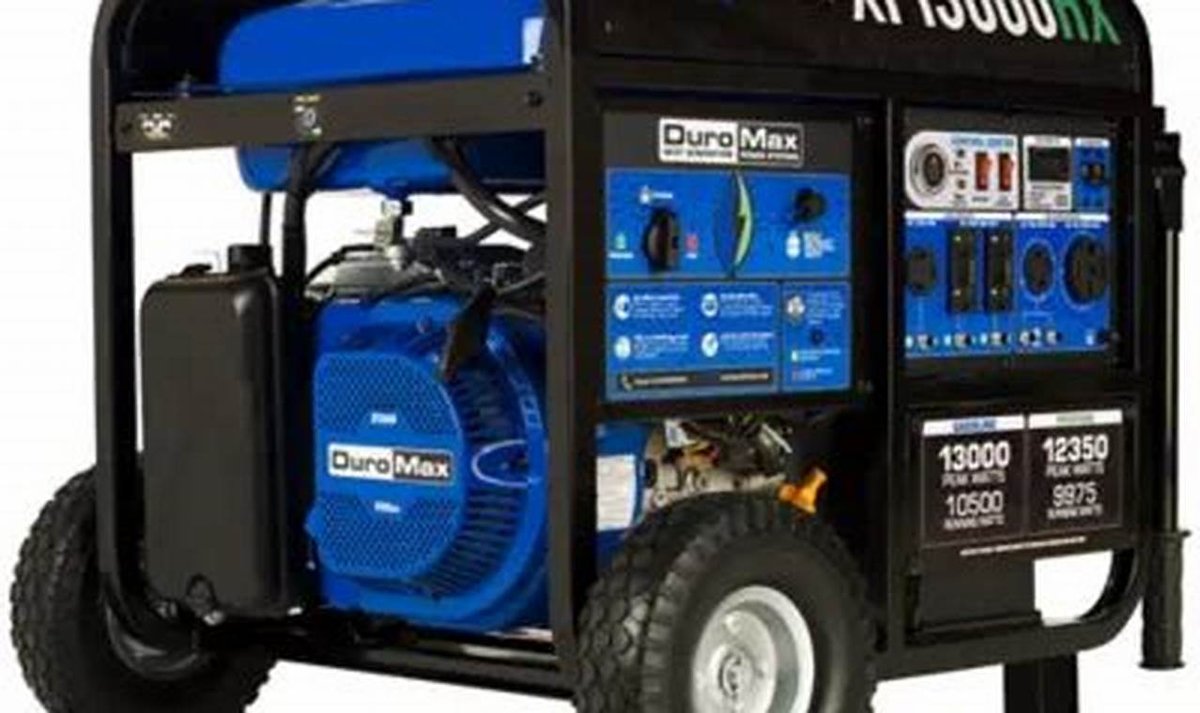
Portable generators are the most common type you'll find, celebrated for their versatility and balance of power, portability, and price. They're your go-to for situations where you need power away from a fixed outlet, or as a temporary backup for your home. Tractor Supply's portable offerings typically range from 1,000 watts for light-duty tasks up to 15,000 watts for substantial home backup.
Versatility on the Go
Think of a portable generator as your personal power plant, ready to deploy wherever you need it.
- RV & Camping: Keep your appliances running at the campsite, from lights and fans to mini-fridges.
- Home Backup: Power essential circuits during an outage—your refrigerator, a few lights, and maybe a small heater or fan.
- Job Sites: Run power tools, air compressors, and lights far from any wall outlet.
- Outdoor Events: Provide electricity for tailgating, outdoor parties, or remote gatherings.
Traditional vs. Inverter: Clean Power Explained
When exploring portable generators, you'll primarily encounter two main technologies: traditional (conventional) and inverter. Understanding the difference is crucial, especially if you plan to power sensitive electronics.
- Traditional Portable Generators: These are often larger, louder, and run their engines at a constant 3,600 RPM to produce a steady 60 Hz current. While robust and excellent for powering tools, lights, and appliances that aren't sensitive to power fluctuations, they produce "dirty" power—meaning the sine wave isn't perfectly smooth. This can be problematic for delicate electronics like laptops, smartphones, and some modern TVs, potentially causing damage or reducing their lifespan. They're generally more affordable per watt.
- Inverter Generators: These are the modern marvels of portable power. They convert the raw AC power generated by the engine into DC power, then "invert" it back into clean, stable AC power. This results in a much smoother, consistent sine wave, making them safe for all your sensitive electronics. But the benefits don't stop there:
- Fuel Efficiency: Inverter generators adjust their engine speed based on the power demand. If you're only running a few lights, the engine idles down, saving fuel. Traditional generators, by contrast, run at full throttle regardless of load.
- Quiet Operation: Because they don't always run at maximum RPM, inverter generators are significantly quieter than their traditional counterparts, making them ideal for campgrounds, residential areas, or any environment where noise is a concern.
- Compact & Lightweight: Their advanced technology often allows for a more compact and lighter design, enhancing portability.
If powering items like computers, medical devices, or high-definition televisions is a priority, an inverter generator from Tractor Supply is almost certainly the superior choice.
Fueling Your Flexibility: The Dual-Fuel Advantage
Many Tractor Supply generators, particularly in the portable and medium-sized backup categories, now come with dual-fuel capability. This means they can operate on either gasoline or propane, offering significant advantages:
- Gasoline: Widely available, offering high energy density for longer run times per gallon. However, gasoline degrades over time, can gum up carburetors, and may be scarce during widespread power outages.
- Propane:
- Emergency Availability: Propane is often easier to store and acquire during grid-down scenarios, as it's less prone to hoarding than gasoline.
- Clean Burning: Propane burns cleaner than gasoline, resulting in fewer emissions, less carbon buildup, and extended engine life.
- Indefinite Storage: Unlike gasoline, propane can be stored indefinitely without degradation, as long as the tanks are properly maintained.
- Reduced Maintenance: A cleaner burn means less fuel system maintenance over time.
Having the option to switch between fuels gives you incredible flexibility and security, especially when planning for emergencies or extended use.
Stepping Up: Essential Home Backup & Beyond
For many homeowners, the primary purpose of a generator is to keep critical systems running during a power outage. Tractor Supply offers portable generators large enough to handle essential home circuits, bridging the gap between small recreational units and full whole-house standby systems.
Sizing Up: Matching Watts to Your Lifestyle
One of the biggest mistakes buyers make is either underestimating or overestimating their power needs. Purchasing an oversized generator means spending more upfront and continually burning more fuel than necessary. Here's a general guide:
- 2,000–3,000 Watts: Perfect for camping, tailgating, or powering a few critical items like a refrigerator and some lights during a short outage.
- 5,000–7,500 Watts: Recommended for essential home backup. This range can typically handle a refrigerator, freezer, a few lights, a TV, a sump pump, and potentially a small window AC unit or furnace fan. This keeps your family comfortable and preserves perishables.
- 10,000 Watts or Larger: If you aim for near-normal home operations, including multiple major appliances, central air conditioning, or well pumps, you'll need a generator in this higher wattage range.
The key is to list all the appliances and devices you want to power simultaneously and calculate their combined starting (surge) and running watts. Always factor in the initial surge required by motor-driven appliances (like refrigerators and AC units) which can be 2-3 times their running wattage. Your Tractor Supply generator guide, Your Tractor Supply generator guide, offers detailed calculations and examples to help you right-size your unit.
Reliability You Can Count On
Tractor Supply doesn't just sell generic generators; they stock models with features that enhance reliability and user experience:
- Proven Engine Designs: Many units feature engines from trusted manufacturers known for their durability.
- Automatic Voltage Regulation (AVR): This feature maintains a consistent voltage output, protecting your sensitive electronics from damaging power fluctuations.
- Low-Oil Shutdown: An essential safety mechanism that automatically turns off the engine if the oil level drops too low, preventing catastrophic engine damage.
- GFCI Outlets: Often included for added safety, especially when used in wet conditions or on job sites.
These features contribute to a generator that you can rely on when the stakes are high.
The Ultimate Shield: Whole-House Standby Generators
For ultimate convenience and security, whole-house standby generators are the pinnacle of home power solutions. Unlike portable units that you have to manually start and connect, these systems are permanently installed and automatically kick in when the grid fails.
Automatic Peace of Mind
Imagine the power going out, and within seconds, your lights come back on, your air conditioning hums, and your refrigerator keeps running—all without you lifting a finger. That's the promise of a whole-house generator. They're wired directly into your home's electrical system via an automatic transfer switch, constantly monitoring the utility power. The moment an outage is detected, the transfer switch signals the generator to start, and once it's up to speed, it automatically switches your home's power source from the utility to the generator. When utility power is restored, the process reverses seamlessly.
Fueling Standby Power
Whole-house generators typically run on either natural gas or propane:
- Natural Gas: If your home has a natural gas line, this is often the most convenient and cost-effective option, offering an essentially limitless fuel supply without the need for refilling tanks.
- Propane: For homes without natural gas, large propane tanks (e.g., 250-gallon or 500-gallon) can provide extended run times. As with dual-fuel portable units, propane stores indefinitely, ensuring fuel is ready when needed.
Professional Installation is Key
Due to their permanent installation and connection to your home's fuel and electrical systems, whole-house generators require professional installation. This involves careful planning, permits, and licensed electricians and plumbers to ensure safety and compliance with local codes. Tractor Supply can guide you through the initial selection process, but always budget for professional installation costs, which are a significant part of the total investment.
Specialized Solutions: Power for Your RV Adventures
Recreational vehicles (RVs) often have unique power needs that warrant specialized generator solutions. Tractor Supply recognizes this and offers units tailored for the RV lifestyle.
RV-specific generators are typically:
- Compact and Lightweight: Designed to fit into designated RV compartments or be easily transported without adding excessive weight.
- Quiet: Noise is a major concern in campgrounds and RV parks, so these units are often optimized for low decibel output. Many are inverter generators, providing that extra quiet operation.
- Remote Start: A convenient feature allowing you to start and stop the generator from inside your RV, avoiding a trip outside, especially in inclement weather.
These units ensure your RV's creature comforts, from microwaves to air conditioners, remain operational no matter where your travels take you.
Beyond the Purchase: Maximizing Your Generator's Lifespan
A generator is a significant investment, and proper care ensures it remains a reliable power source for years to come. Neglecting maintenance is the quickest way to shorten its lifespan and compromise its performance when you need it most.
Regular Maintenance Checklist
Think of your generator like a car engine; it needs routine care:
- Oil Changes: Follow the manufacturer's recommendations, typically after the first 20-50 hours of use, then every 100-200 hours or annually. Use the correct type and weight of oil.
- Air Filter Cleaning/Replacement: A clean air filter is crucial for efficient engine operation. Check and clean it regularly, replacing it when it appears dirty or clogged.
- Spark Plug Inspection: Inspect the spark plug annually for wear or fouling. Clean or replace it as needed to ensure proper ignition.
- Fuel System Care: For gasoline generators, this is paramount. Use a fuel stabilizer if storing gasoline for more than a month. Run the generator every 3-6 months under a load for about 20-30 minutes to circulate fluids and keep components lubricated.
- Battery Check (for electric start/standby units): Ensure the battery is charged and terminals are clean.
- General Cleaning: Keep the generator free of dust, debris, and blockages around cooling vents.
Smart Fuel Management
Fuel degradation is a primary killer of gasoline generators that sit idle.
- Stabilize Gasoline: If you store gasoline in your generator or in cans, always add a fuel stabilizer.
- Run It Dry (for short-term storage): If storing for a few months, run the generator until it runs out of fuel to prevent gumming up the carburetor.
- Opt for Propane: If your generator is dual-fuel, running it primarily on propane can simplify fuel storage and reduce maintenance, as propane doesn't degrade. During an emergency, you'll be glad for the emergency generator fuel options you have.
By adhering to these maintenance practices, your Tractor Supply generator will be ready to perform reliably whenever called upon.
Making the Smart Buy: Costs, Warranties & Shopping Tips
Investing in a generator requires more than just picking a model; it involves understanding the total cost of ownership, warranty protections, and smart shopping strategies.
Understanding the Investment
- Portable Units: Prices range from a few hundred dollars for small recreational models to several thousand for large, dual-fuel inverter generators.
- Whole-House Systems: These represent a more substantial investment, costing several thousand dollars for the unit itself, plus several thousand more for professional installation.
- Total Cost of Ownership: Beyond the purchase price, consider fuel consumption (especially for larger units or extended outages), and the cost of routine maintenance. Propane, while cleaner, can sometimes be more expensive per equivalent energy unit than gasoline, but its storage benefits might outweigh the cost.
Tractor Supply often offers various financing options, including promotional offers, which can make a larger investment more manageable.
Protecting Your Investment
Generators typically come with a manufacturer's warranty, usually at least one year for residential use, often extending to two or three years for certain components or commercial use. Always review the specific warranty details. Extended warranty options might also be available for purchase, offering additional peace of mind beyond the standard coverage.
Where to Shop: In-Store, Online & Reviews
Tractor Supply offers multiple convenient ways to shop for your generator:
- In-Store: Allows you to see the units firsthand, speak with knowledgeable staff, and often take your generator home the same day.
- Online: Offers a wider selection and the convenience of home delivery or in-store pickup. Online shopping also provides access to crucial customer reviews.
- Customer Reviews: Don't underestimate the value of real-world performance insights from other buyers. Reviews can highlight pros, cons, and common usage scenarios that might influence your decision.
Tractor Supply's return policies usually allow returns of unused generators within a specified timeframe, typically with a receipt.
Timing Your Purchase
Demand for generators can be highly seasonal, often spiking just before hurricane season or winter storms. This can lead to higher prices and limited stock. For better selection and potentially better pricing, consider purchasing during off-peak times, such as late spring and early fall. This allows you to prepare without the pressure of an impending weather event. Keeping an eye on generator sales events can also save you money.
Future-Proofing Your Power
As technology evolves, generators become more efficient, quieter, and smarter. When making a purchase, consider not only your current needs but also potential future power requirements. Will you be adding more sensitive electronics? Expanding your home? Thinking ahead can help you choose a unit that grows with you.
Your Generator Questions Answered
We've covered a lot, but here are quick answers to some frequently asked questions about Tractor Supply generators:
Q: What's the main difference between a portable and an inverter generator?
A: A portable generator is a broad category. An inverter generator is a type of portable generator that provides cleaner, more stable power for sensitive electronics, operates more quietly, and is more fuel-efficient than a traditional portable generator.
Q: How much power (watts) do I really need for home backup?
A: For essential home backup (fridge, freezer, lights, basic electronics), 5,000-7,500 watts is usually sufficient. For near-normal operations, including larger appliances or central AC, you'll need 10,000 watts or more. Always calculate your specific needs.
Q: Can I install a whole-house generator myself?
A: No. Whole-house generators are permanently wired into your home's electrical and fuel systems. They require professional installation by licensed electricians and plumbers to ensure safety, compliance with codes, and proper functionality.
Q: Is dual-fuel worth the extra cost?
A: Absolutely. Dual-fuel capability offers tremendous flexibility and peace of mind. Propane's indefinite storage and cleaner burn, especially during emergencies when gasoline might be scarce, can be invaluable. This added versatility is a smart investment in your home emergency preparedness.
Q: How often should I run my generator for maintenance?
A: For gasoline generators, run it every 3-6 months under a light load for 20-30 minutes to circulate fluids and prevent fuel stagnation. Whole-house standby generators typically have an automatic weekly or bi-weekly exercise cycle.
Q: What is "clean power" and why do I need it?
A: "Clean power" refers to electricity with a smooth, stable sine wave, similar to what you get from your utility company. Sensitive electronics (computers, smart TVs, medical devices) require clean power to operate correctly and avoid damage. Inverter generators provide clean power.
Ready to Power On? Your Next Steps
Choosing the right generator from Tractor Supply is about more than just buying a piece of equipment; it's about investing in reliability, safety, and peace of mind. By understanding the different types of Tractor Supply generators—from the versatile portable units with their inverter and dual-fuel options to the seamless security of whole-house standby systems—you're well-equipped to make an informed decision.
Your next step should be to accurately assess your power needs. List out every item you want to power, note their running and starting watts, and decide if you need portable flexibility or whole-house automation. Then, head over to Tractor Supply's website or visit a store. Their knowledgeable staff and extensive selection are there to help you find the perfect generator solution that will keep you powered up, no matter what comes your way.